Out of nowhere, flavour gets a boost when that snowy Dessicated Coconut dust hits the mix. Crunch sneaks in through tiny flakes born from sun-dried fruit flesh, ground fine but never dull. Baking trays light up where cookies crackle with chewy depth, while simmering pots gain silkiness in savoury twists. Think beyond sweets - smoothies soak it up, granola clings to it, even spice blends hide a whisper underneath. Not all batches behave the same; moisture levels shift how they bake, how long they last, and how fast they brown. Some stay coarse like sand, others drift like flour, each playing different roles on shelves or in bowls. Sourcing matters more than most notice - the coastlines where coconuts ripen shape taste and oil content alike. Skip anything dusty-looking or faintly sour-smelling, and always check packaging dates twice. From street vendors shaping sweet balls to factories pressing dense snacks, one thing stays true - it bends to any recipe’s will. Hidden power lives in that unassuming white pile of Dessicated Coconut, waiting only for heat, liquid, or time.
From fully grown coconuts, producers pull out the soft white inside, strip away the dark outer layer, shred the flesh into small pieces, then blow hot air to dry it completely prior to milling. Instead of removing fat like coconut flour does, this dried version of Dessicated Coconut keeps most of its original oil - around 60 to 70 per cent - which means more MCTs that fuel the body fast, plus dietary fibre supporting digestion. For those on strict low-carb plans, higher fat batches work well; others have some oil drawn out early to create a leaner product.
What keeps those cookies soft so long? Not every batch uses chemicals to look clean - some just stay true, from harvest to jar. A tight container holds freshness for up to two years, sometimes longer. While raw coconut spoils fast, this form of Dessicated Coconut fights decay through dryness alone. Creamy tones come without tricks, no hidden steps. Moisture stays steady because the powder gives little away.
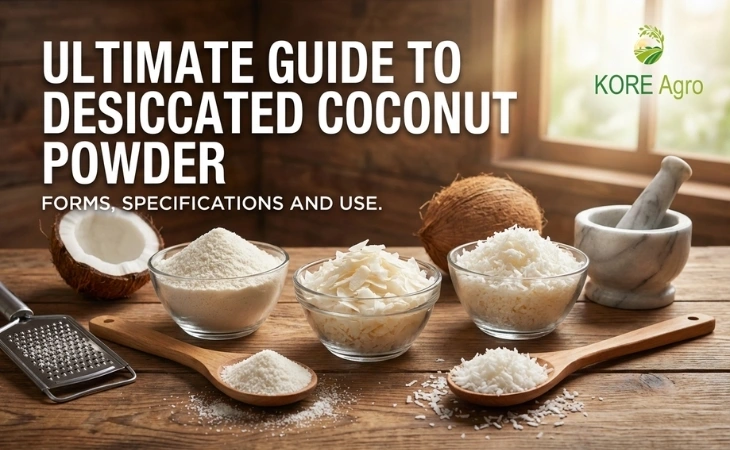
A grain of Dessicated Coconut powder shifts feel based on how small it's crushed - finer bits serve different jobs than coarse ones. Not every grind fits every purpose; some dissolve into blends while others hold their shape.
Floating through tiny openings, extra-fine powder slips past 0.85mm screens at a rate of 90%. That makes it vanish when stirred into smooth blends or rich curries. It works just as well mixed into flour mixes meant for those avoiding gluten. Sprinkle it lightly on top of layered yoghurt treats. Or blend it slowly into wet mixtures to spread coconut flavour smoothly, grain by grain.
A touch finer than coarse, yet still holding shape - this texture slips easily into batters for cakes or muffins. It blends smoothly, never clashing with delicate cookie doughs. Frostings take it well, keeping a light body. When pressed into energy bites, you notice just enough grit to add interest, but not so much that flavour gets lost.
Falling right between fine and coarse, this texture slips through a 2.8mm screen while holding back one-fifth on the 1.4mm - just enough chunk to crunch in homemade clusters and energy squares. Bakers in Ahmedabad rely on it when shaping lentil-flour sweets rolled in grated coconut.
Falling somewhere between crumbs and chunks, coarse shreds play a part in crusts, fillings - think spiced dips with a coconut twist. Their size grabs attention without dissolving into the background of sweets or seasonings. Picture them scattered over baked bars or tucked inside layered desserts where texture speaks louder than taste.
Fresh warmth brings out a deeper taste when grains are roasted just right - try them in morning bars or sizzling dishes. A leaner version holds less oil, cutting heaviness without losing texture. Grown clean, free from lab-made sprays, it keeps things closer to earth in your bowl.
Go gentle with the blade if you want it silky. A rough chop brings bite instead.
A fine white powder from dried coconut passes international food rules set by Codex Alimentarius under code CXS 177-1991. Meeting India's standard IS 966:2023 confirms it is clean, safe to eat. This product follows strict quality checks without adding anything artificial. Purity stays intact through careful processing methods used during production.
A bit of dampness stays under four percent by weight, just enough to block mildew. Check it by baking a sample in the oven.
Fat levels swing between high-packing 60 to 70%, mostly lauric - and lower cuts at 35 to 60%. Oil pulled out holds under 0.3% acidity, measured by lauric presence.
Whatever the measure, ash stays under 2.5 percent when dry. Below that, insoluble-in-acid bits take up less than 1.3 percent.
A soft white glow, sometimes leaning toward pale cream. Purity stands out - no dark spots, no yellow flecks. Almost entirely flawless, just a hint of nature’s touch. Cleanliness hits near-total, like 99.9%. Smooth under light, even in shadow.
A handful of these grains might weigh less than half a kilo per litre. Efficiency when stored comes down to how tightly they settle inside the container.
Fewer than 10,000 bacteria per gram allowed. Yeast and mould must stay under 100 per gram. Coliforms? None. E. coli? Not present. Salmonella won’t be found here. Sulfur dioxide sits at less than 50 parts per million - never higher.
Fragments of vegetables, no more than fifteen per hundred grams, show up now and then. Anything else that does not belong? Not found.
Better balance sits around pH six point zero up to six point seven. Stability works well in that range.
Far from synthetic sprays, organic products avoid them altogether. Energy packs a punch - 780 kilocalories per hundred grams, nearly half to two-thirds of it saturated fat. Insist on certificates of analysis; only those issued by NABL-accredited facilities will do.
After twelve months, farmers gather ripe coconuts - removing husks, cracking shells, trimming flesh by hand or machine. Shredding comes next, followed by rinsing with safe drinking water. Heat drying happens between sixty and seventy degrees Celsius until the moisture drops to three per cent. Hammer mills break down the flakes; precise sieving follows. Each batch passes through metal detectors before being sealed in controlled rooms. In India or the Philippines, one thousand nuts yield about one hundred kilograms of fine powder. For top-tier quality, freezing methods lock in delicate compounds during processing.
Bake it soft - sift the powder into banana loaves using one part to four of flour. Try a touch under twenty percent in macarons for a gentle crunch. Work it into lamingtons to keep them springy when bitten. Down in Ahmedabad, someone stirs coconut into warm burfi, slow-cooked with clarified butter and sticky-sweet syrup.
Fresh bites without baking? Try dates - one portion per recipe - to hold mixes together. Chocolate chunks stick well when cooled slowly. Protein nuggets gain grit from mid-level fillers. Texture shifts that way nicely.
Thickening Thai curry? Try two tablespoons for every litre. Fry it up with cumin - great on vegetables. Toss it over stir-fried dishes just before serving. Works well coating low-carb fried chicken, too.
Try mixing one scoop into your morning smoothie. This goes well with keto-friendly yoghurt on the side. Another idea is stirring it into pancake batter that skips gluten. The high MCT content supports a ketogenic state. Digestion gets easier thanks to its fibre.
Sip something cool while rain taps the windowpane. A rim on your glass might match the mist outside. Dust cocoa over foam like fog on a hillside. Let each drink carry the weight of damp air and slow afternoons.
Achieving moist dough often comes down to using 15-25 per cent protein levels. When dealing with coarser grains, match them weight for weight with water so they soak properly.
A single 30-gram portion holds 220 calories, with 21 grams of fat - thanks to MCTs that can lift metabolic rate by about 5 per cent. Fibre sits at 7 grams, supporting steady digestion, while nutrients such as manganese help your body use iron better. Just 5 net carbs make it low on the carb scale, plus it contains no dairy and fits both vegan and paleo needs. Inflammation meets resistance through antioxidants present here. Bacteria? They don’t stand a chance when lauric acid steps in.
Beware. Large servings mean more energy intake; watch for tree nut warnings.
Stored right, sealed jars keep things fresh near two years. Cool means under twenty-five degrees. Dry corners work best. Toasted ones need to be kept cold inside fridges. Plastic holds tight when vacuum-packed. Tins do too, sized from half a kilo to twenty-five. Big loads move in fifty-kilo sacks. Little drying packs hide moisture during travel.
Look for certificates that match Codex rules along with USDA or NPOP organic labels. Try a sample - good flavour should be sweet, clean, nothing stale or greasy on the finish. A bright white colour often means it's well processed; if it sticks together, likely there is too much water inside.
Fresh picks from India and the Philippines set the pace. In Ahmedabad, stalls hand out neighbourhood specials. You pay between three hundred and six hundred rupees per kilo if you buy small amounts. Big orders drop to two or four dollars a kilogram.
Moisture too low? That leads to clumping. Try adding desiccants. Humidity plays a role here.
Rancid? Old stock - toast lightly.
Bitter? Over-dried - choose high-fat.
Greasy film around the edges? Take out the extra oil by filtering it through a thin sieve.
Start by mixing two cups of coconut powder with half a cup of melted ghee. The mixture takes shape when one cup of condensed milk is folded in slowly. Once blended, form small balls using your palms. These sweets firm up after some time in the refrigerator.
Mix powder with coconut oil, add a touch of stevia - then chill until firm.
A bit of extra thickness comes from two tablespoons stirred into coconut milk while heating slowly. Heat changes everything here, turning thin liquid into something rich by staying patient on a low flame.
Start mixing in desiccated coconut powder today - it just fits right into your routine. Try bold new ways to use it, one spoon at a time. The island flavour shift? Already on its way.